
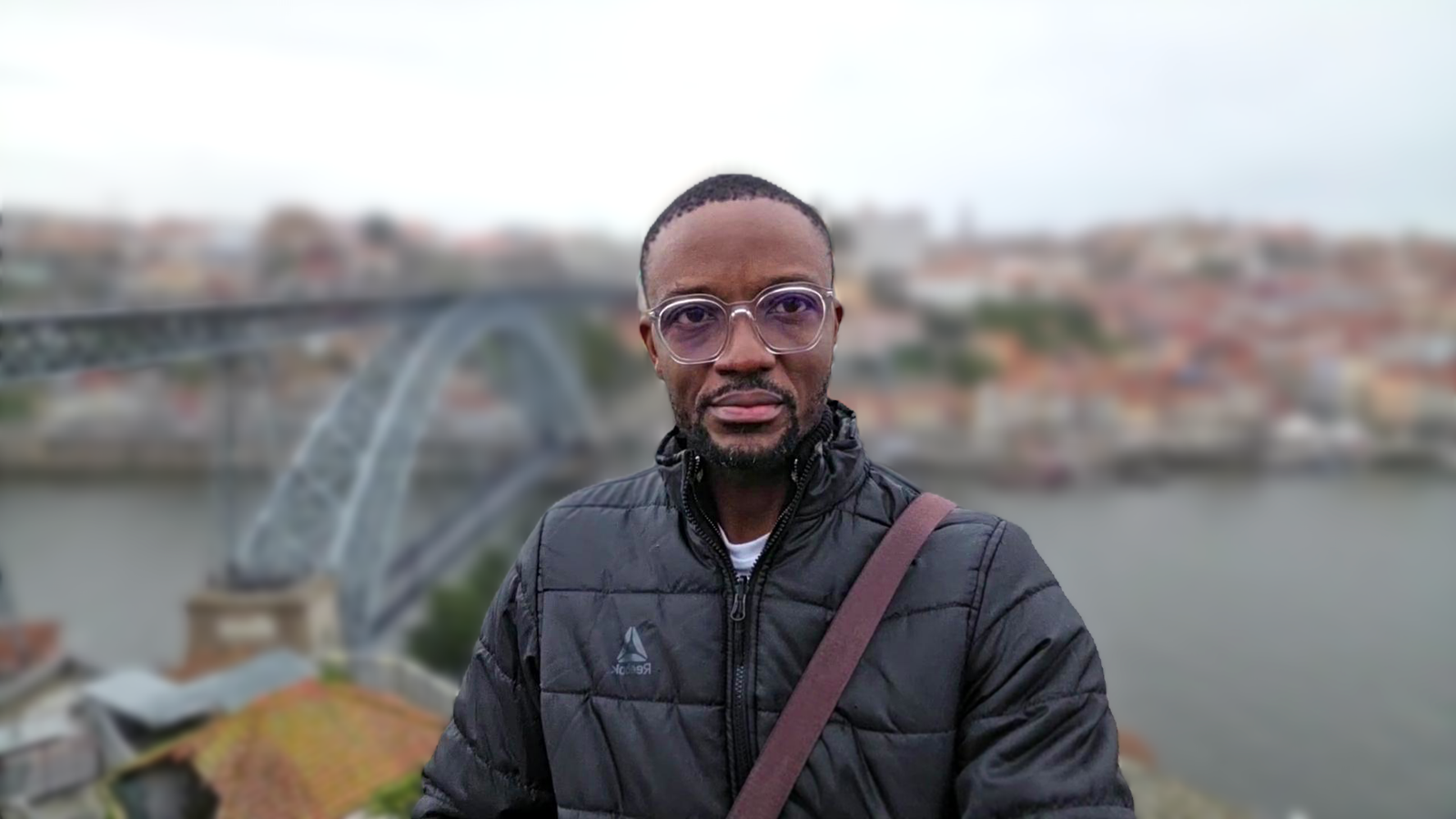
Portugal has many beautiful destinations, but few cities leave an impression quite like Porto. Perched along the Douro River in northern Portugal, Porto combines centuries of history, stunning architecture, vibrant culture, and modern attractions into one unforgettable experience.
During my recent visit, I explored some of the city’s most iconic landmarks, walked through historic streets, crossed legendary bridges, and discovered why Porto continues to attract travelers from around the world.
First Impressions: Arriving in Porto
My journey began at Porto’s Francisco Sá Carneiro Airport, one of Portugal’s busiest international gateways. Located approximately 11 kilometers from the city center, the airport offers easy access to downtown through the Metro system.
One thing that immediately stood out was how quickly the scenery changes. Within minutes of leaving the airport, modern highways and contemporary buildings give way to historic neighborhoods, steep hills, and centuries-old architecture.
Porto feels authentic from the moment you arrive.
A Quick Stop at Vila do Conde Porto Fashion Outlet
Before heading into the city, I made a stop at Vila do Conde Porto Fashion Outlet, one of the largest outlet shopping destinations in northern Portugal.
The outlet features more than one hundred stores spread across an attractive open-air complex. Unlike traditional enclosed malls, the layout resembles a shopping village, complete with wide pedestrian walkways, outdoor seating areas, cafés, and colorful architecture.
Popular brands such as Nike, Adidas, Tommy Hilfiger, Calvin Klein, Levi’s, Hugo Boss, Lacoste, Guess, and Puma attract both locals and visitors searching for quality products at discounted prices.
The outlet’s location near Portugal’s Atlantic coastline adds to its appeal. The relaxed atmosphere provides a refreshing contrast before diving into Porto’s bustling city center.
The Heart of Porto: Avenida dos Aliados and City Hall
Every city has a central gathering place, and in Porto, that place is Avenida dos Aliados.
The grand Porto City Hall dominates the avenue with its imposing granite façade and iconic clock tower. Construction began in the early twentieth century, and today the building serves as one of Porto’s most recognizable landmarks.
The avenue itself is lined with elegant buildings, hotels, cafés, and public spaces. It acts as Porto’s living room, hosting celebrations, festivals, public events, and gatherings throughout the year.
Standing in front of City Hall offers a perfect introduction to Porto’s blend of historical grandeur and modern urban life.
Clérigos Church and Tower: Porto’s Iconic Skyline
No visit to Porto is complete without seeing the Clérigos Church and Tower.
Designed by Italian architect Nicolau Nasoni during the eighteenth century, the tower rises more than 75 meters above the city and remains one of Porto’s most recognizable landmarks.
Historically, sailors approaching Porto used the tower as a navigational reference point. Today, visitors climb its steps for panoramic views across red rooftops, church spires, and the Douro River.
The view from the top provides one of the best perspectives of Porto’s unique geography and architectural beauty.
Passeio dos Clérigos: Where History Meets Modern Porto
Adjacent to the church sits Passeio dos Clérigos, a modern shopping and leisure area that showcases a different side of Porto.
Restaurants, cafés, rooftop terraces, and retail stores attract both residents and visitors. The area creates an interesting contrast between the centuries-old church and Porto’s contemporary lifestyle.
It is the perfect place to pause, enjoy a coffee, and watch the city move around you.
The Fountain of the Lions
One of Porto’s most popular meeting points is the Fountain of the Lions, known locally as Fonte dos Leões.
Built during the late nineteenth century, the fountain features four bronze lions and reflects artistic influences from Britain, highlighting the historical trade relationship between Portugal and England.
The area surrounding the fountain is especially lively due to its proximity to Porto’s university district. Students, tourists, and locals frequently gather here, giving the square a vibrant atmosphere.
Walking Through Rua das Flores
Among all the streets I explored in Porto, Rua das Flores stood out as one of the most memorable.
Dating back to the sixteenth century, this historic street was once home to wealthy merchants and noble families. Today, it is one of Porto’s most charming pedestrian thoroughfares.
As you walk along Rua das Flores, you’ll encounter traditional Portuguese architecture, decorative balconies, artisan shops, local cafés, wine bars, and street performers.
The street captures the essence of Porto. It is lively without feeling overcrowded and historic without feeling frozen in time.
Mercado do Bolhão: Porto’s Living Marketplace
For a glimpse into everyday life in Porto, Mercado do Bolhão is a must-visit.
This historic covered market has served residents for generations. Inside, vendors sell fresh seafood, fruits, vegetables, flowers, cheeses, meats, and regional specialties.
The market offers more than shopping. It provides a window into local culture and traditions that continue to thrive despite Porto’s growing popularity as a tourist destination.
Porto Cathedral and the Pillory of Porto
Perched on one of the city’s highest points, Porto Cathedral dominates the skyline.
Construction began during the twelfth century, making it one of Porto’s oldest and most significant religious landmarks. Over the centuries, Romanesque, Gothic, and Baroque elements were added, creating a fascinating blend of architectural styles.
The cathedral’s terrace offers spectacular views over the city and the Douro River.
Nearby stands the Pillory of Porto, a symbol of the city’s historical autonomy and judicial authority. Although modest in appearance compared to the cathedral, it represents an important chapter in Porto’s civic history.
The Bridges of Porto
Porto’s identity is inseparable from its bridges.
Several impressive structures span the Douro River, connecting Porto with neighboring Vila Nova de Gaia. Each bridge tells a story of engineering innovation and urban development.
Yet one bridge stands above the rest.
Dom Luís I Bridge: The Symbol of Porto
The Dom Luís I Bridge is arguably Porto’s most famous landmark.
Completed in 1886, the bridge was designed by Théophile Seyrig, a former associate of Gustave Eiffel. Its massive iron arch was considered an engineering masterpiece during its time.
What makes the bridge unique is its two-level design.
The upper deck carries pedestrians and the Metro while offering breathtaking views of Porto and the Douro River. The lower deck connects the bustling riverfront districts of Porto and Vila Nova de Gaia.
At sunset, the bridge becomes one of the city’s most magical locations as golden light reflects off the river below.
Seeing Porto from Above: The Gaia Cable Car
To experience Porto from a different perspective, I took a ride on the Gaia Cable Car.
The cable car travels between Jardim do Morro and the Gaia waterfront, offering sweeping views of the Douro River, the Dom Luís I Bridge, and Porto’s colorful riverside neighborhoods.
The experience lasts only a few minutes, but the views are unforgettable.
Why Porto Deserves a Place on Your Travel List
What makes Porto special is not a single landmark or attraction.
It is the combination of historic streets, welcoming people, impressive architecture, riverfront scenery, local culture, and authentic atmosphere.
Porto manages to preserve its heritage while embracing modern life. You can spend the morning exploring a twelfth-century cathedral, enjoy lunch at a contemporary riverside restaurant, shop at a modern outlet, and end the day watching the sunset from a nineteenth-century bridge.
Few cities offer such a rewarding mix of history, culture, and everyday life.
My visit to Porto exceeded expectations, and it is a destination I would gladly return to.
If you’re planning a trip to Portugal, make sure Porto is at the top of your list.
Leave a Reply